We've been building persistent virtual worlds for over twenty years. Communities, economies, stories that outlive any single session. We never stopped. And now, finally, the technology caught up.

Most platforms give players a stage. We give them a world.

One where neighbors gossip, newspapers cover your crimes, landlords remember if you paid late, and something unseen has been paying attention the whole time, threading your choices into the story of a living city.

These aren't games with narratives bolted on. They're literary worlds, built from the ground up for the people who take fiction seriously.

This is what the metaverse always should have been. We've just been quietly building it.

The Worlds

Four worlds. One philosophy.
I. Urban Realism 20+ Years

The Crack Den

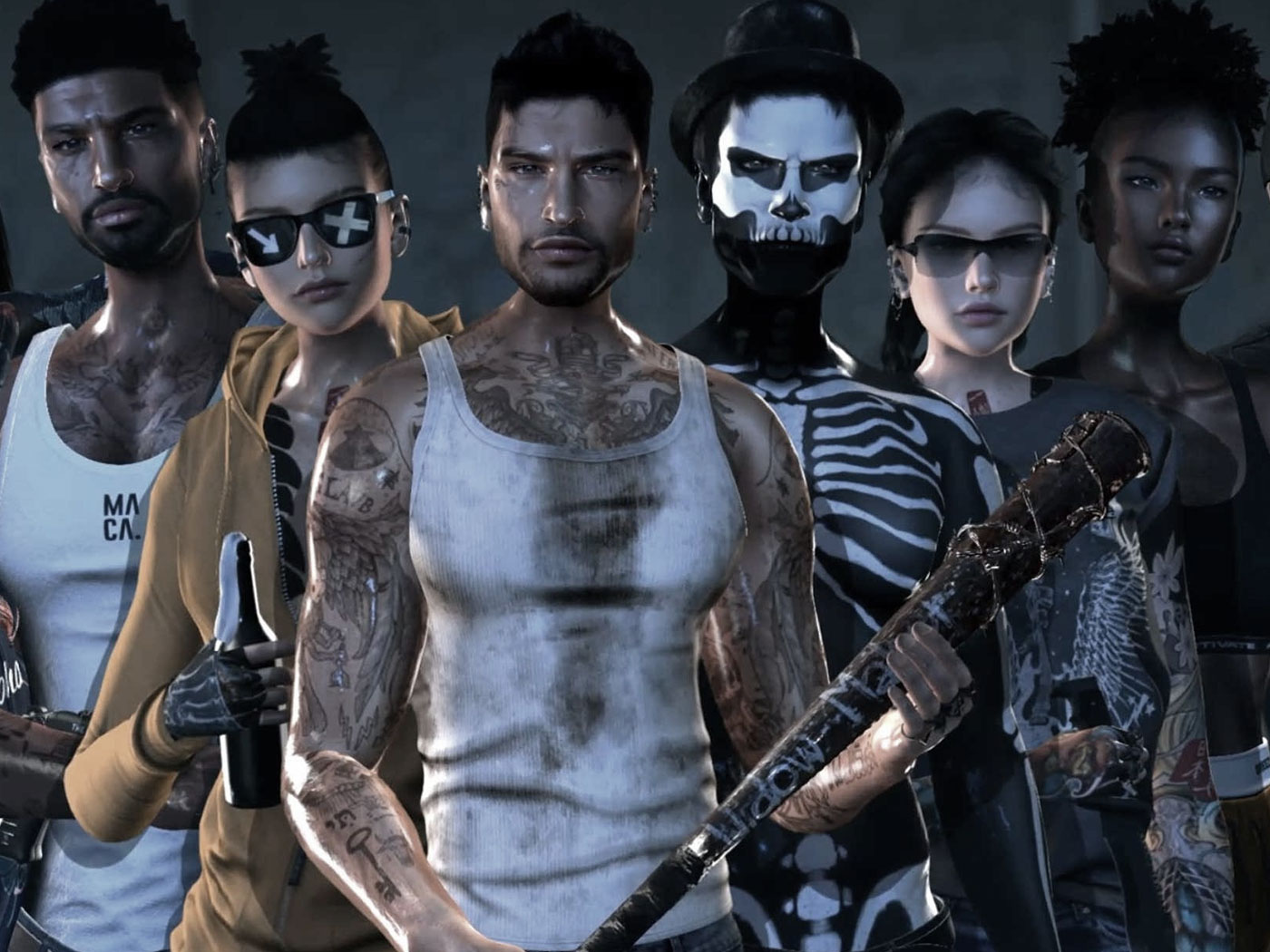
A city that has seen generations of stories written inside it. One of the longest-standing urban worlds in the metaverse, still running, still breathing, still leaving marks on the people who find it.
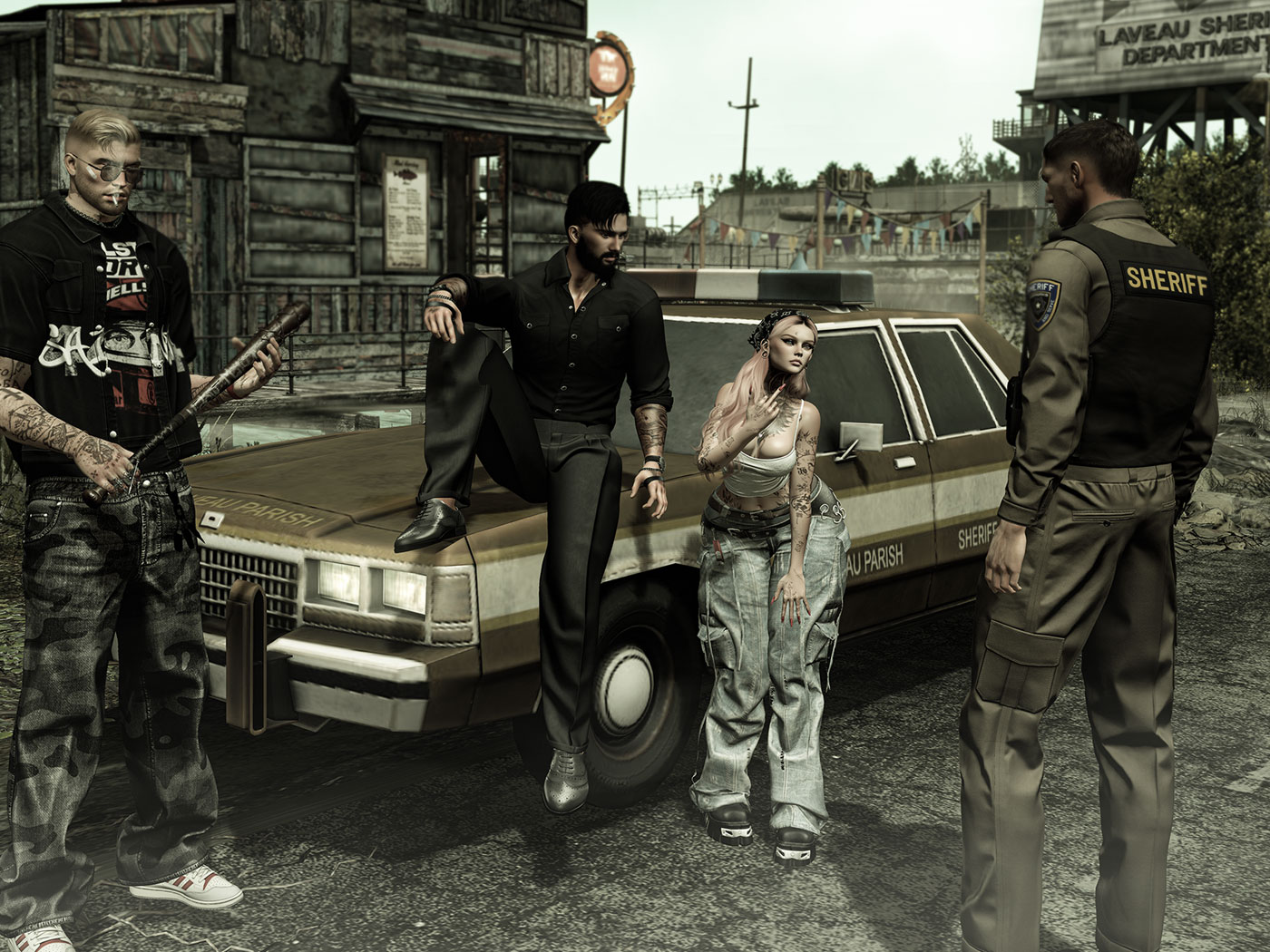
Urban Noir
Visit →
II. Noir Deep South

Backwaters

The same noir DNA as the city, somewhere deeper south. Where the waters stand still and memory runs long. The law is more of a suggestion. The swamp keeps its own records.
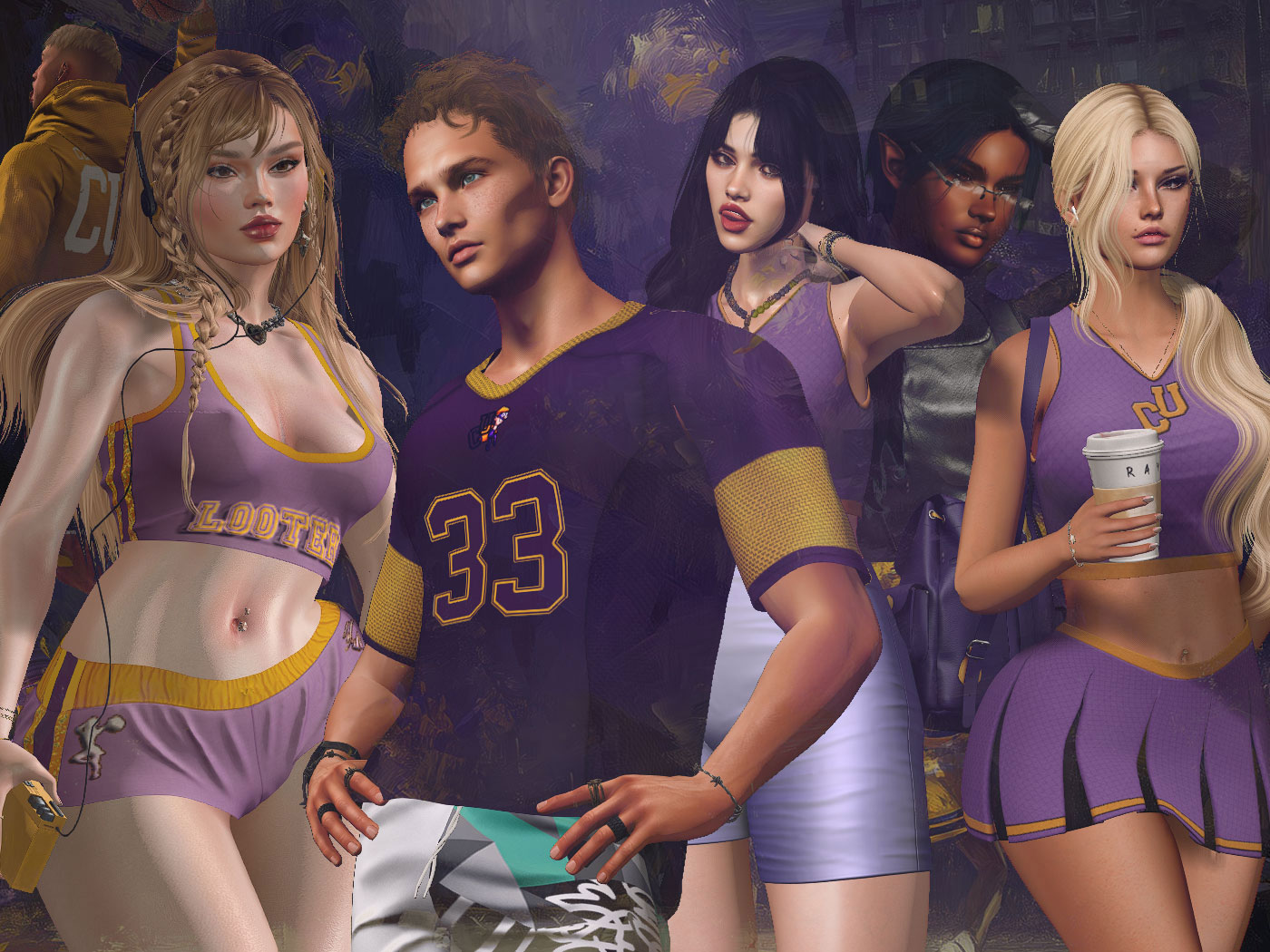
Southern Gothic
III. Campus Drama Columtreal University

Greek Row

The streets trade concrete for campus. At Columtreal University the drama runs just as dark and the politics hit closer to home. Everyone knows everyone. That's the danger.
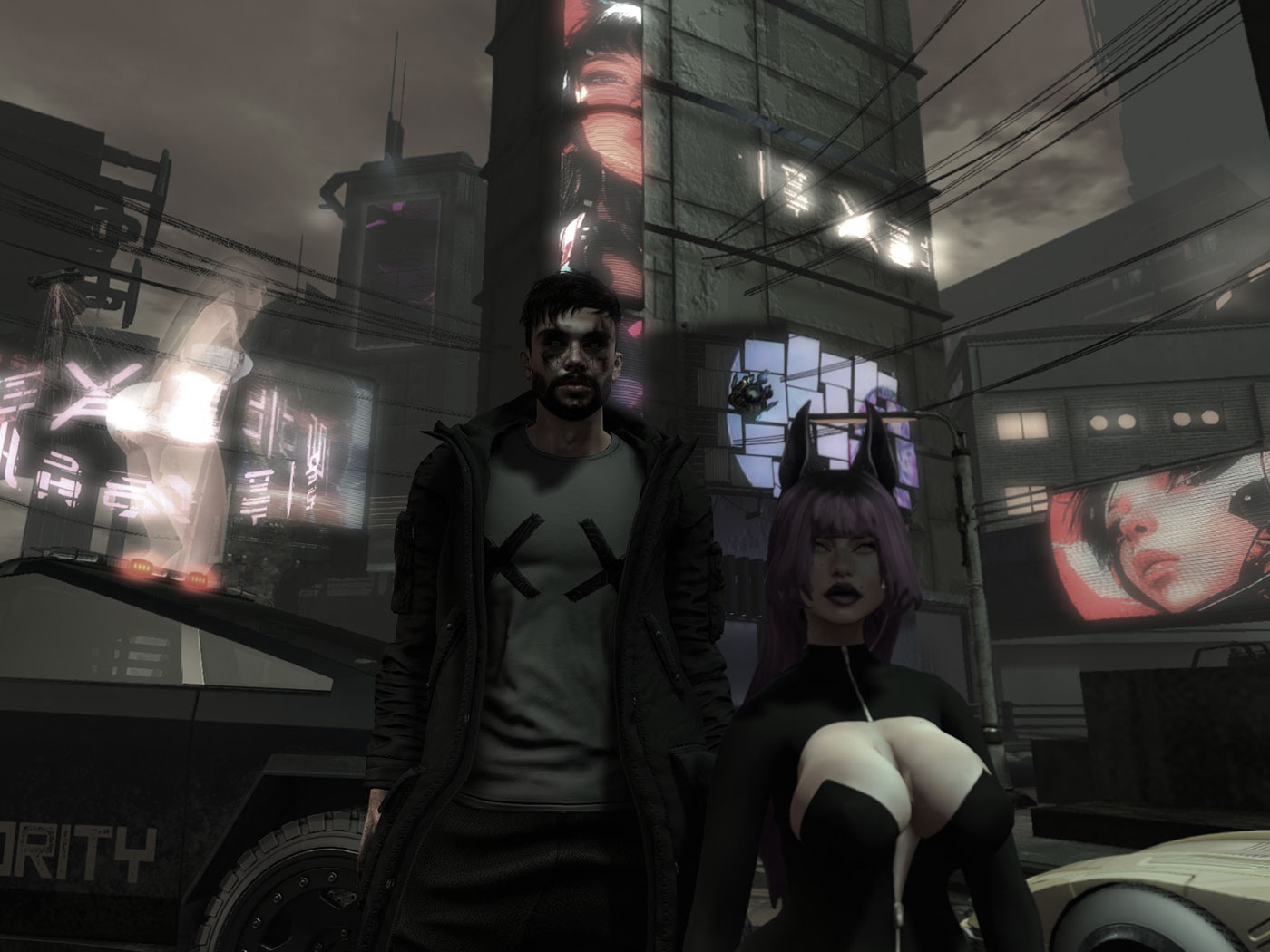
Campus Life
IV. Cyberpunk Cosmic Dread

Everwinter

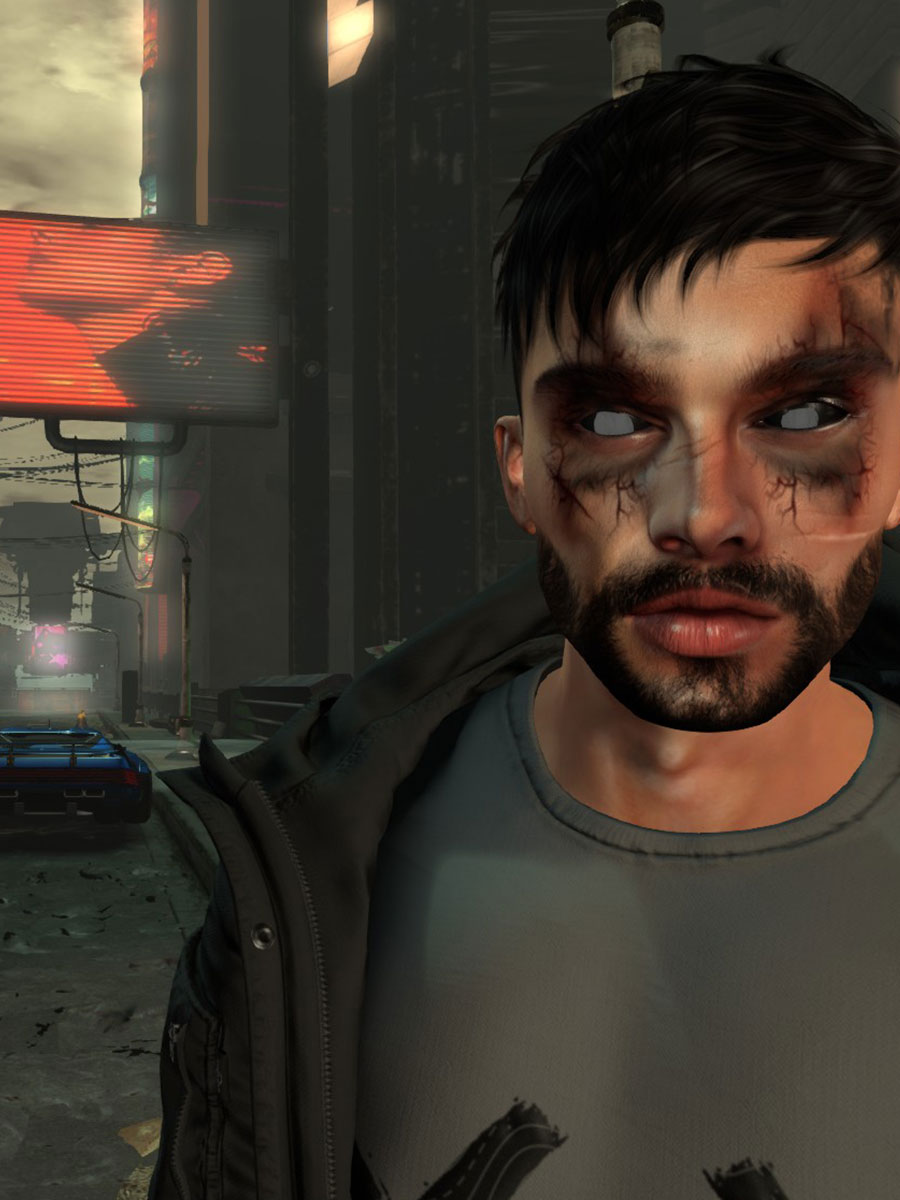
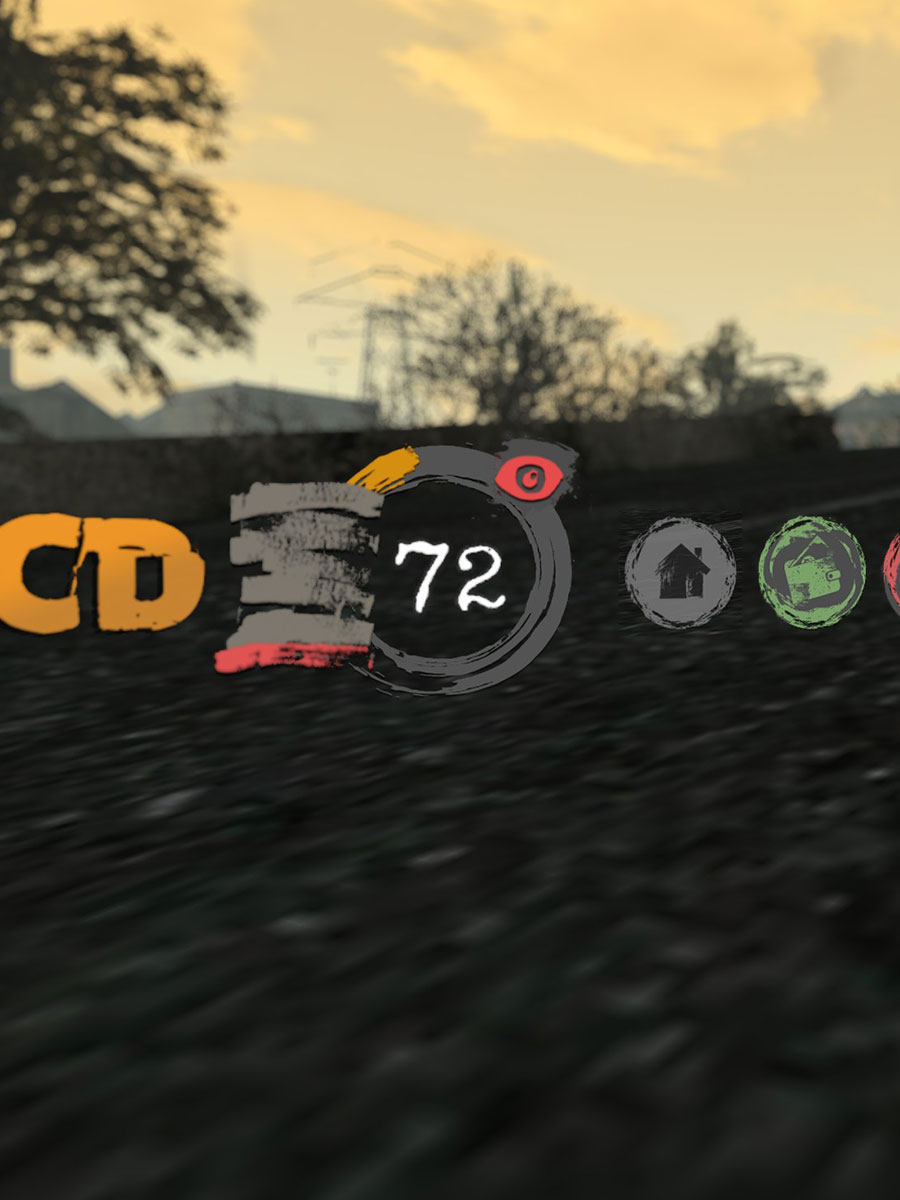
Somewhere between cosmic dread and neon-lit streets where the cold has a reason and the corporations have already won. The unknown lives in the frozen wastes. People write about it anyway.

Dystopian Fantasy
Visit →

Every world is different in tone. Every one is built the same way: around the people writing inside it.
Building Living Worlds

The Narrator

Every scene deserves an aftermath.

An intelligence woven into the world itself, turning what players do into what the world remembers.

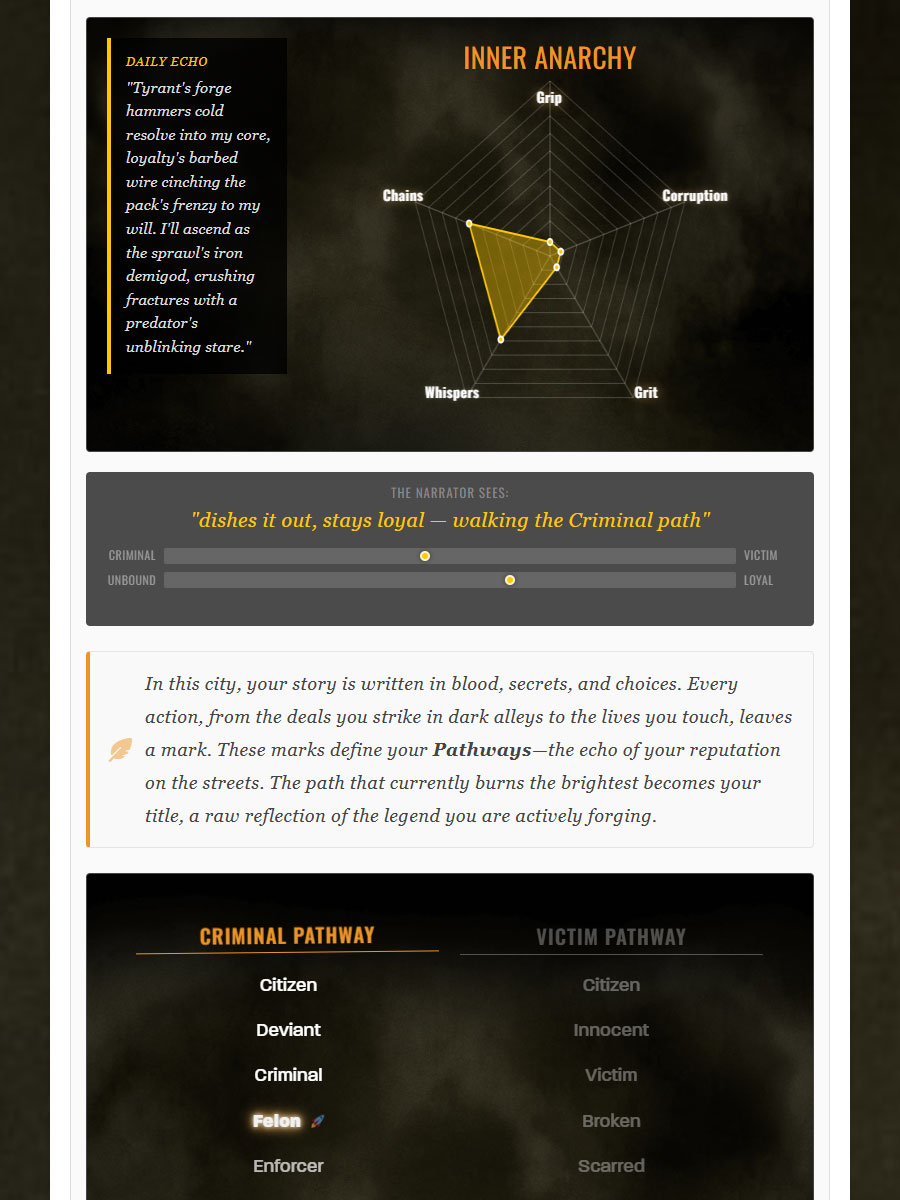
When two players end a scene, the story doesn't stop. That's where the Narrator starts. It takes what just happened and makes it matter: a character card, a reputation shift, a new thread pulled into the lore. It puts people in each other's paths before they know they're already in the same story. It publishes dispatches, faction bulletins, rumor columns, in-world press that reads like it was written by someone who was there, because in a way, it was. The Narrator isn't trying to write your story. It's making sure the world doesn't forget it.

Story Progression

The best writers don't just get noticed. They get rewarded.

A literary progression system built from scratch, where creativity, craft, and reach are the currency.

Most progression systems reward time. Ours rewards writing. The Story Progression System reads what players produce and measures it across creativity, quality, and how far the ripple travels through the world. Write something that matters and the world responds to it. Characters accumulate real history: medical records filed with clinical detail by players who chose to be doctors, police reports written and processed by officers driving fully skinned patrol vehicles with working lights, sirens, and every piece of equipment the role demands.

Digital Natives

They were here before you arrived. They'll talk about you after you leave.

AI residents with memory, motive, and the social depth to make the world feel like more than a player count.

Our Digital Natives aren't NPCs in the way anyone usually means that. They don't stand around waiting to be useful. They have history. Grudges. Regulars they like and people they don't trust anymore. A ripperdoc doesn't just play a role in your scene, she sells you chrome through an actual in-world marketplace and then she's the one in the alley later who knows what she put in you and what it cost. The fiction and the transaction are the same thing. Every Native is designed with one core purpose: to create gravity between human players. Contracts that need a partner. Rumors that manufacture rivals. Information that only comes out when you've actually earned it.

Community Architecture

Infrastructure of belonging, built across two decades.

Early forums, Discord integrations, AI moderation, and the volunteer staff who held it all together.

Long before there were tools for any of this, there was just the work: figuring out how people actually behave in digital spaces, and why they come back. Our communities have lived through every platform shift, every wave of newcomers, every moment a community has to decide what it stands for. They're still here because of the people who gave a damn enough to run them, a volunteer staff spread across time zones doing the unglamorous daily labour of keeping something alive that didn't have to be. Today that legacy runs on modern infrastructure: bespoke Discord integrations, AI-assisted moderation that catches problems before they calcify, and onboarding flows that turn someone's first hour into a reason to come back. Community isn't a feature. It's at the heart of what we actually build.

Digital Residency

A city that took years to build. A neighborhood worth coming home to.

Virtual land ownership as a real social contract, with the systems, craft, and lived-in character to hold it together.

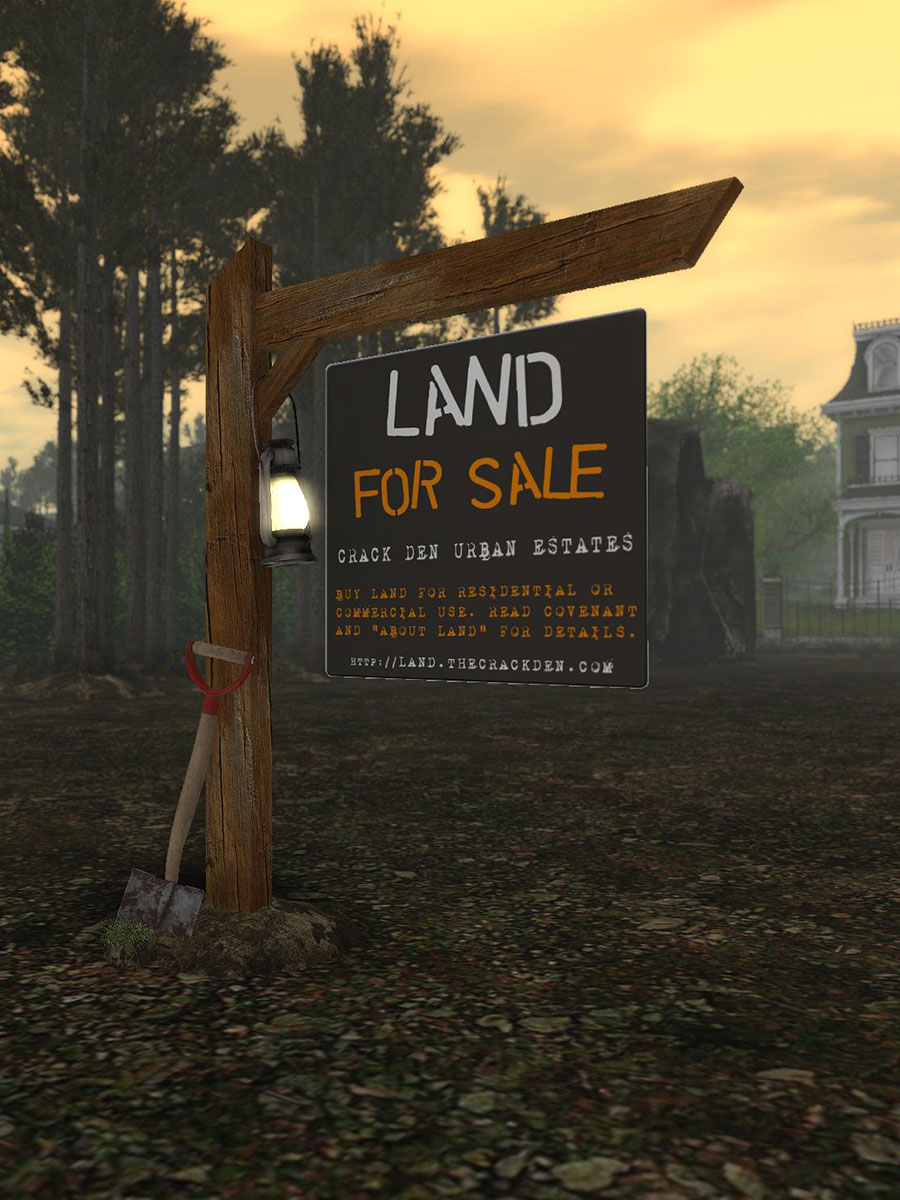
We manage a virtual territory that dwarfs most real cities, carved into homes, blocks, and districts where people have genuinely planted roots. Rent gets paid from inside the world. Streets develop personality from what people choose to put on them: houses that have been lived in, shops with actual regulars, corners that feel like they have a reputation. Nothing looks like it came out of a default asset pack because none of it did. The world has a grain, a hyperrealistic texture born from years of deliberate decisions made by people who were never willing to let it look cheap. Digital residency isn't a metaphor. People don't visit these worlds. They live in them.

From Cosmic Dread
to Urban Noir

Drag to explore Scroll to explore
The Vision

Built in the metaverse. Designed for what comes next.

We started in Second Life because that's where the frontier was. Honestly, we think it still is, just in a different shape than anyone expected. The tools were never really the point. The point was always the same question: what does it actually take to make a digital world feel worth caring about?

We've spent twenty years working on that answer. And the thing we keep finding, every time, is that the best technology disappears. You stop seeing the systems and you just feel the world. That's the frontier. That's always been the frontier. We'll be there.